Which way to eat Bologna
Bologna food tour: which one to book
Why the three-hour walking food tour is a great first pick, what it covers, how it compares with a cooking class or eating alone, and who it suits.
Reserve your food walk ↗Quick answer
Yes, book the walking food tour. It is three hours on foot through Bologna's old centre with an English-speaking guide, over 15 tastings and a gelato to finish, and guests rate it 4.8 from more than 2,000 reviews. Free cancellation runs until 24 hours before the start, and you can reserve now and pay later. If you would rather cook, the lasagna and gelato class is the other good choice.
Three ways to eat Bologna
| Walking food tour | Lasagna and gelato class | On your own | |
|---|---|---|---|
| What you do | Taste your way across town | Cook a lasagna, make gelato | Pick your own stops |
| Length | 3 hours | 3 hours | As long as you like |
| Guide | English-speaking local | Chef-instructor | None |
| Best for | First-timers, curious eaters | Cooks who want recipes | Repeat visitors |
| Booking | Pick a date online | Pick a date online | Walk in |
Why this walk is worth booking
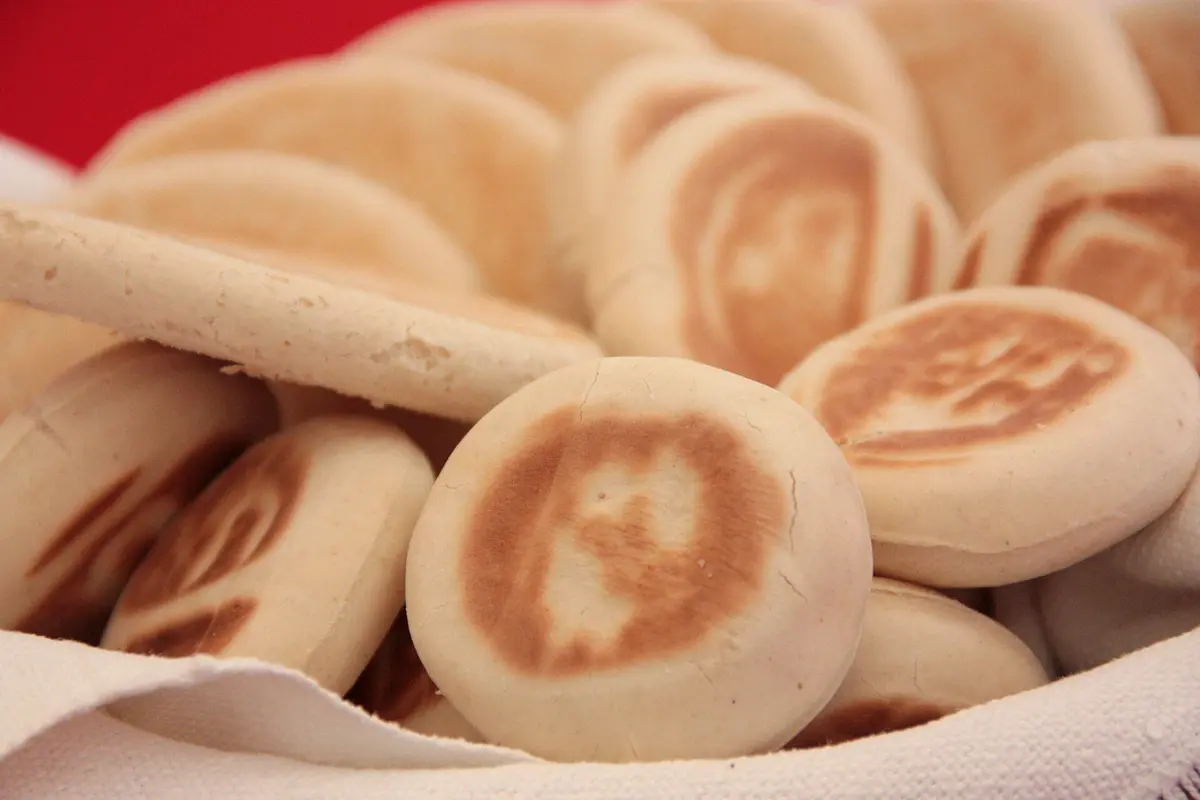
Bologna is nicknamed La Grassa, The Fat One, because its cooking leans on pork, egg pasta and dairy. This walk puts that reputation on a plate in one afternoon. You move through the old centre with a local guide, taste your way from a bread of the Apennines to two handmade pastas, and finish with gelato from a shop that has made it since 1976. It runs for three hours, in English, and guests rate it 4.8 from more than 2,000 reviews. It is a lively first taste of the city.
What the tour includes
The tour is a guided tasting walk, not an entry ticket. It runs for three hours and the guide speaks English. The list of what you taste is generous, and the booking page counts over 15 tastings in all. The guide also tells stories about the city's history and traditions between stops, so you hear why these foods belong to Bologna as well as taste them. The booking is for the tour itself, so anything beyond the tastings is up to you.
- Tigella, a small round bread, as a pre-aperitivo
- Cold cuts including mortadella, and cheeses including Parmigiano Reggiano
- A balsamic vinegar aged 25 years, tasted with the Parmigiano, and how it is made
- Two homemade pastas, tortellini and tagliatelle, at a traditional trattoria
- Local wines along the way, and artisanal gelato to finish
A friendly way to start your stay
Doing the walk early in a trip pays off. Over three hours you cover the foods Bologna is known for, so you leave knowing what to order for the rest of your visit: which pasta is which, what mortadella tastes like when it is cut fresh, and how a real aged balsamic differs from a supermarket bottle. The guide also shares anecdotes about the city's history and traditions as you go. You finish with a mental shopping list for markets, delis and trattorie, and with a clearer feel for the old centre.
Walk, class or go solo?
Each way suits a different traveller. The walk is best when you want range: many small tastes, a guide who knows the shops, and the history of the city told as you go. The class is better when you want to bring something home, because you make the food yourself. Going alone gives total freedom, and Bologna's delis, markets and trattorie make that easy. Bologna's official tourism site lists guided tours, tastings and cooking classes side by side, which shows how many good ways in there are. If you only have one free afternoon in Bologna, the walk is the one that covers the most ground, because every stop adds a new taste and a new bit of the city's story.
Read next: Bologna food walk: planning and tips
Booking ahead or arranging it yourself
The walk is run by a local operator, and booking is through an online calendar where you pick your date and group size. What you get with this booking is practical: free cancellation until 24 hours before the start, and the option to reserve now and pay later. If you prefer to deal with the operator directly, you can look for its own website, but check what cancellation terms and languages it offers before you decide. For most travellers, one booking with a clear calendar is the simplest path. Your confirmation lists the date, the group and the details for the day.
Choosing your date
Open the calendar and look at the dates that suit your trip. The start times differ from one date to the next, and your confirmation shows the one you chose. Stops and tastings can change with the season and on bank holidays, so the guide may adjust the order. Plan the walk early in your stay if you can, because it works as a map of what to eat for the rest of your visit. Then you can go back to the places you liked.
Booking in your language
This site is available in 20 languages, so you can read the details in your own. The walk itself is led in English by a live guide, which is worth knowing if you are travelling with someone who prefers another language. Ninety per cent of English-speaking travellers gave this walk a perfect score. If your group mixes languages, one English speaker who can help the others is usually all it takes to enjoy the tastings together.
How much will you eat?
The tastings add up. Over 15 tastings include cold cuts, cheese, bread, two pastas, wine and gelato, so treat it as a meal and not a snack. Arrive hungry, leave the heavy breakfast for another day and let the guide set the pace. Wine is part of the stops and is poured as tastings, so you can enjoy it slowly between pastas. Plan a lighter next meal, and you will enjoy the evening without feeling stuffed. Many guests find it easiest to treat the afternoon as a long, relaxed lunch.
Why the food tastes the way it does
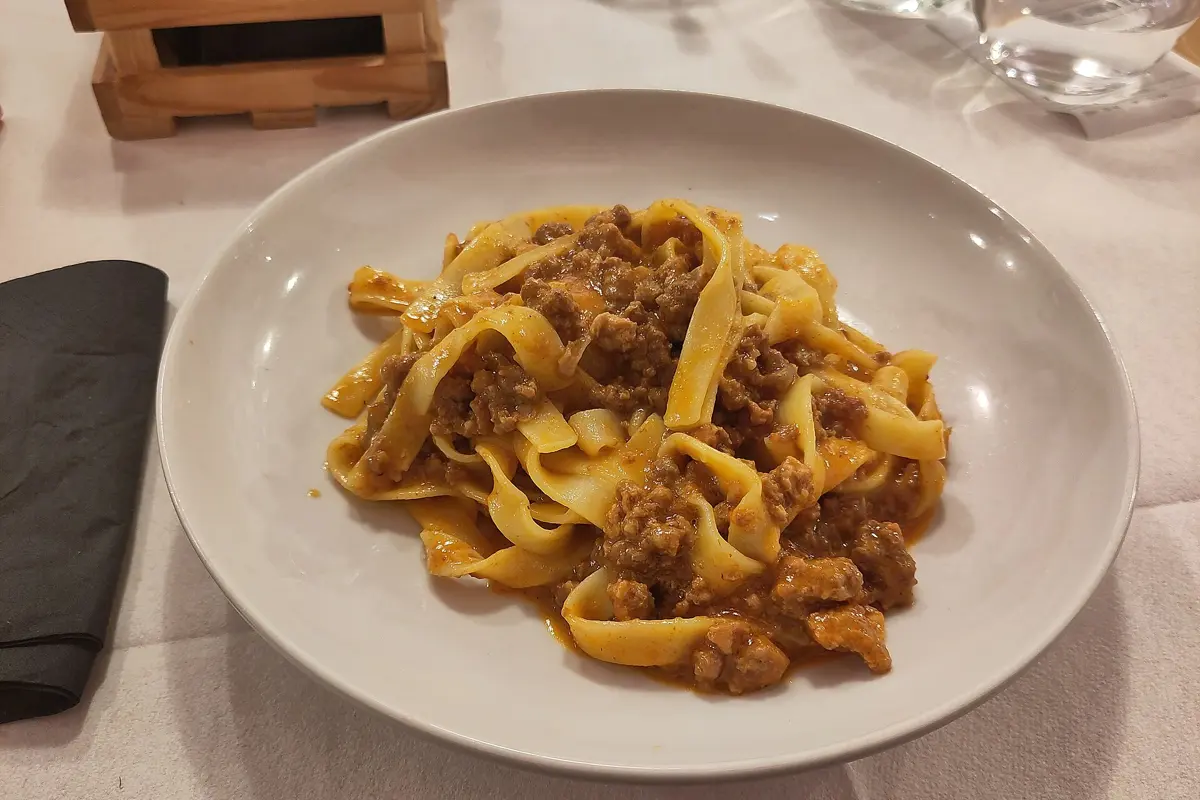
Emilia-Romagna is the home of several protected foods that you taste on the walk. Mortadella Bologna carries protected geographical indication status under EU law. Parmigiano Reggiano is made from unpasteurised cow's milk in a defined area that includes parts of Parma, Reggio Emilia, Modena and Bologna. Traditional balsamic vinegar is made only around Modena and Reggio Emilia, from cooked grape must, and the label Extra Vecchio needs at least 25 years of ageing. The classic sauce for tagliatelle is a meat ragù. That is the table you sit at. Hearing the guide explain how the 25-year vinegar is made brings those labels to life.
Read next: Tortellini and tagliatelle: the two pastas on the walk
If you would rather cook
The second option on this site is a three-hour lasagna and gelato class at a cooking school near Piazza Maggiore. You make spinach pasta from scratch, build a lasagna with béchamel and ragù, and learn one or two gelato flavours, then sit down to an aperitivo of local cheese and cured meats. It comes with a cookbook of the recipes. The class needs a minimum of two guests, and it is not for children under 14. For cooks, it is a delightful alternative. The class is a good pick for a rainy day or for a group of friends who like to be hands-on.
Who this isn't for
The walk is built on pasta, bread, cured meats and cheese, so vegans and people with gluten intolerance will enjoy something else more. It is on foot, so it is not suitable for wheelchair users, and baby strollers are not allowed. If you would rather cook, take the class. If you want to roam at your own speed, the old centre is easy to explore alone.
Frequently asked questions
Is the Bologna food tour worth it?
Yes. You get a local guide, over 15 tastings, two homemade pastas and gelato in three hours, and guests rate it 4.8 from more than 2,000 reviews. It is a great way to start a Bologna visit.
How long does the walking food tour last?
Three hours, on foot through the old centre. The booking calendar and your confirmation show the start time for your date.
Is it enough for lunch or dinner?
Yes, treat it as a meal. The tastings include cold cuts, cheese, bread, two pastas, wine and gelato, so plan a light next meal.
Can I cancel the booking?
Yes. You can cancel up to 24 hours before the start for a full refund, and you can reserve now and pay later.
What language is the tour in?
English. A live guide leads the whole walk.
Which is better, the walk or the cooking class?
The walk gives you range, many tastes and the city's story. The class gives you a skill and recipes to take home. Both last three hours.
Sources